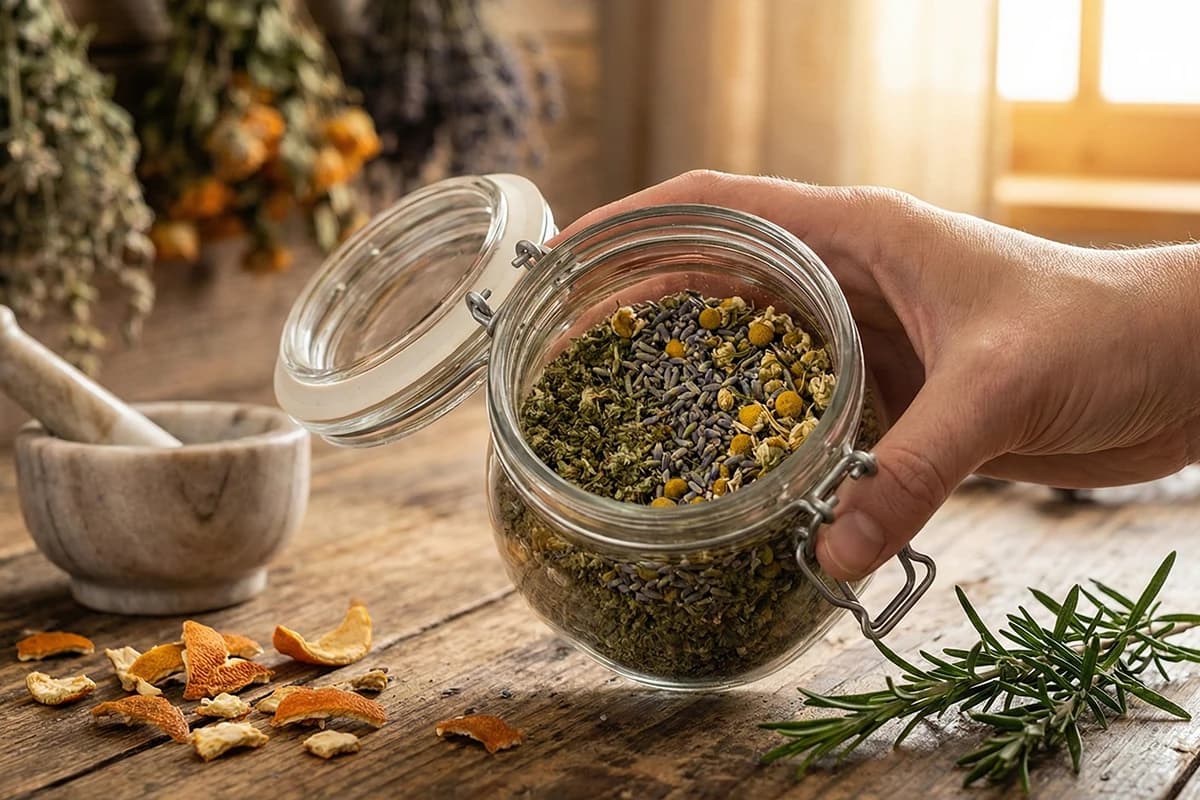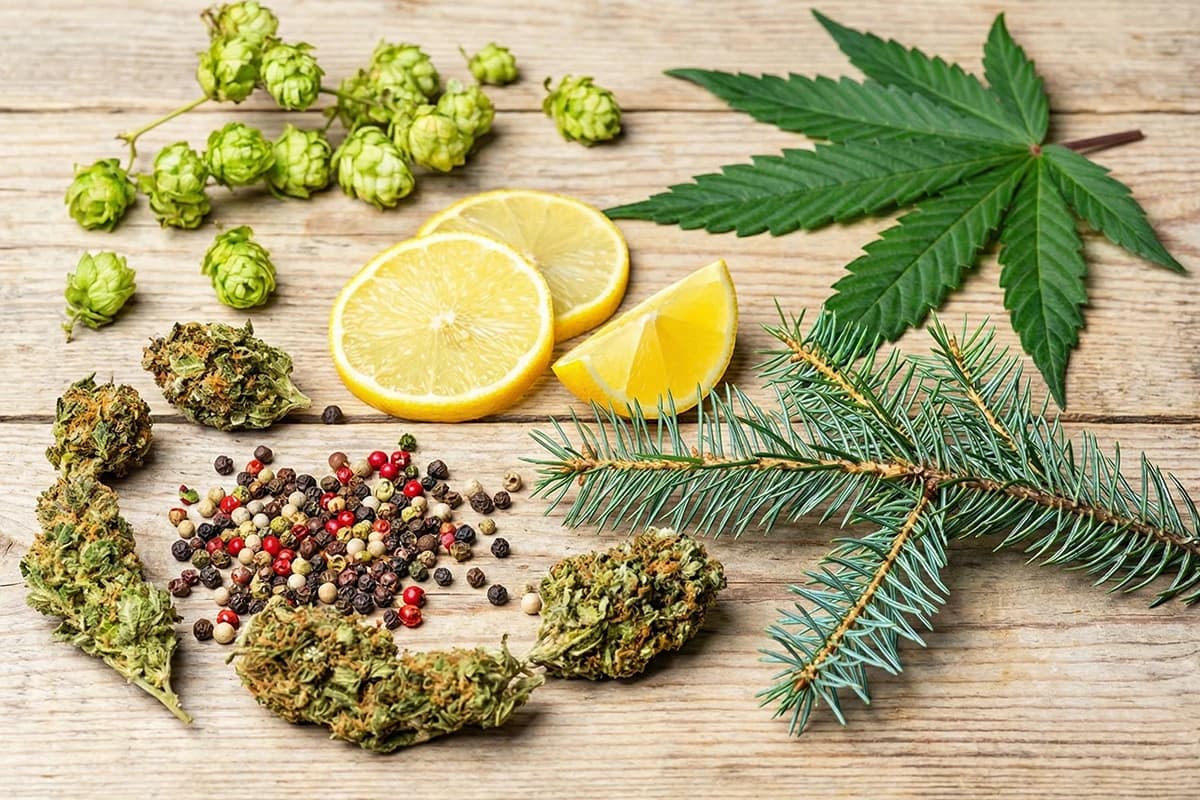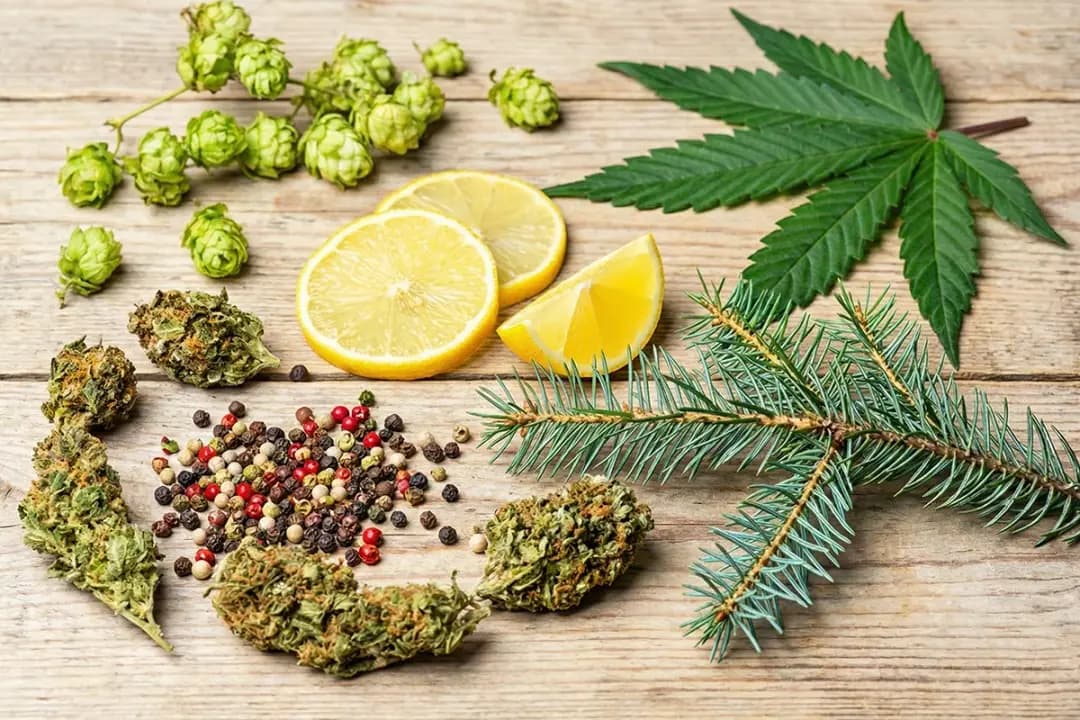
Чистить апельсин, прогуливаться по сосновому лесу или нюхать свежие травы — то, что мы замечаем, это природные растительные ароматы, создаваемые соединениями, называемыми ботаническими терпенами. Содержащиеся в фруктах, цветах и растениях, терпены являются природными элементами, ответственными за многие запахи, которые мы узнаём в повседневной жизни.
Что такое ботанические терпены?
Терпены — это органические соединения, производимые растениями для взаимодействия с окружающей средой. Каждый терпен несёт свой собственный характерный аромат — цитрусовые деревья издают свежий, пряный запах, тогда как лавандовые поля несут цветочный, успокаивающий аромат. Ботанические терпены являются частью повседневного опыта: вкус определённых продуктов, аромат эфирных масел, натуральные запахи в парфюмерии.
Как растительные ароматы формируют наш опыт
- Сосновые леса известны своим свежим, бодрящим ароматом (пинен)
- Цитрусовые фрукты несут сладкий, поднимающий настроение аромат (лимонен, валенсен)
- Цветочные ноты лаванды или жасмина часто описываются как мягкие и успокаивающие
Валенсен: яркий цитрусовый аромат
Среди многих ботанических терпенов валенсен выделяется своим сладким, сочным цитрусовым характером. Содержащийся в апельсинах, грейпфрутах и других цитрусовых, валенсен обычно используется в парфюмерии, ароматизаторах и смесях для создания свежих и ярких профилей.
Терпены в экзотических растениях
Помимо привычных ароматов, таких как цитрус или сосна, терпены содержатся в тысячах растений по всему миру. Кардамон имеет пряный аромат, пачули — земляную глубину, мята перечная — охлаждающую свежесть, а эвкалипт — чистый, травяной тон.
Повседневное значение терпенов
- Добавление сложности к продуктам питания и напиткам
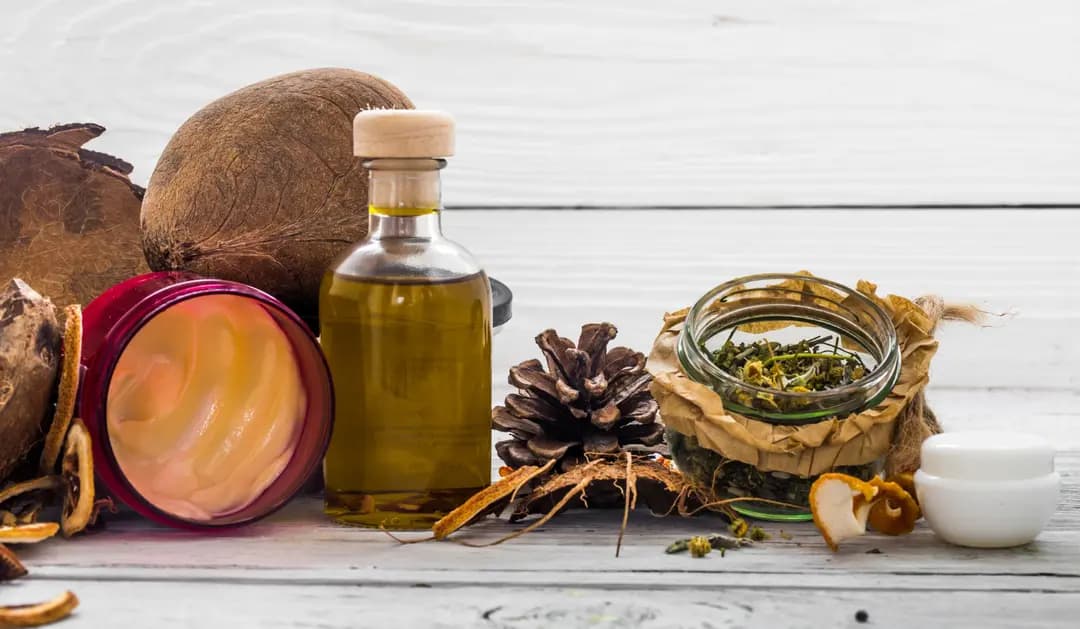
- Придание отличительных нот парфюмерии, свечам и маслам
- Участие в культурных традициях, связанных с запахом и вкусом
В заключение: наука ароматов
В следующий раз, когда вы почувствуете резкость сосны, яркость цитрусовых или сладость цветов, вы будете испытывать ботанические терпены. От обычных растений — лаванды и апельсина — до экзотических, таких как кардамон и пачули, терпены образуют природный язык ароматов, связывающих нас с миром.