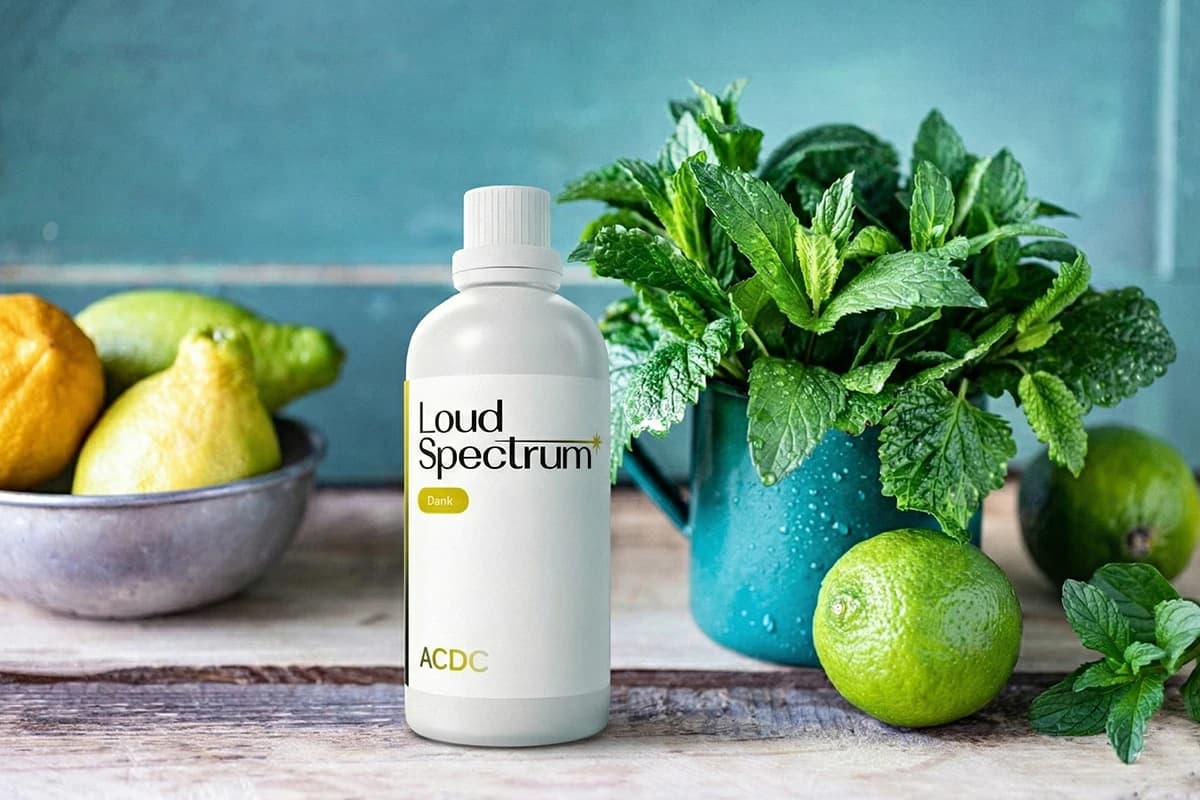
Introduction: The Importance of Flavor Is Greater Than Ever
Flavor is more than just taste — it’s an experience. From the refreshing brightness of citrus to the comforting aroma of herbs, flavor evokes emotion, triggers memory, and inspires loyalty.
In today’s competitive market, creating flavors that truly connect with consumers is both a science and an art. By combining creativity with research and technology, brands can now deliver flavors that create emotional connections and lasting impressions.
What Is Flavor Science
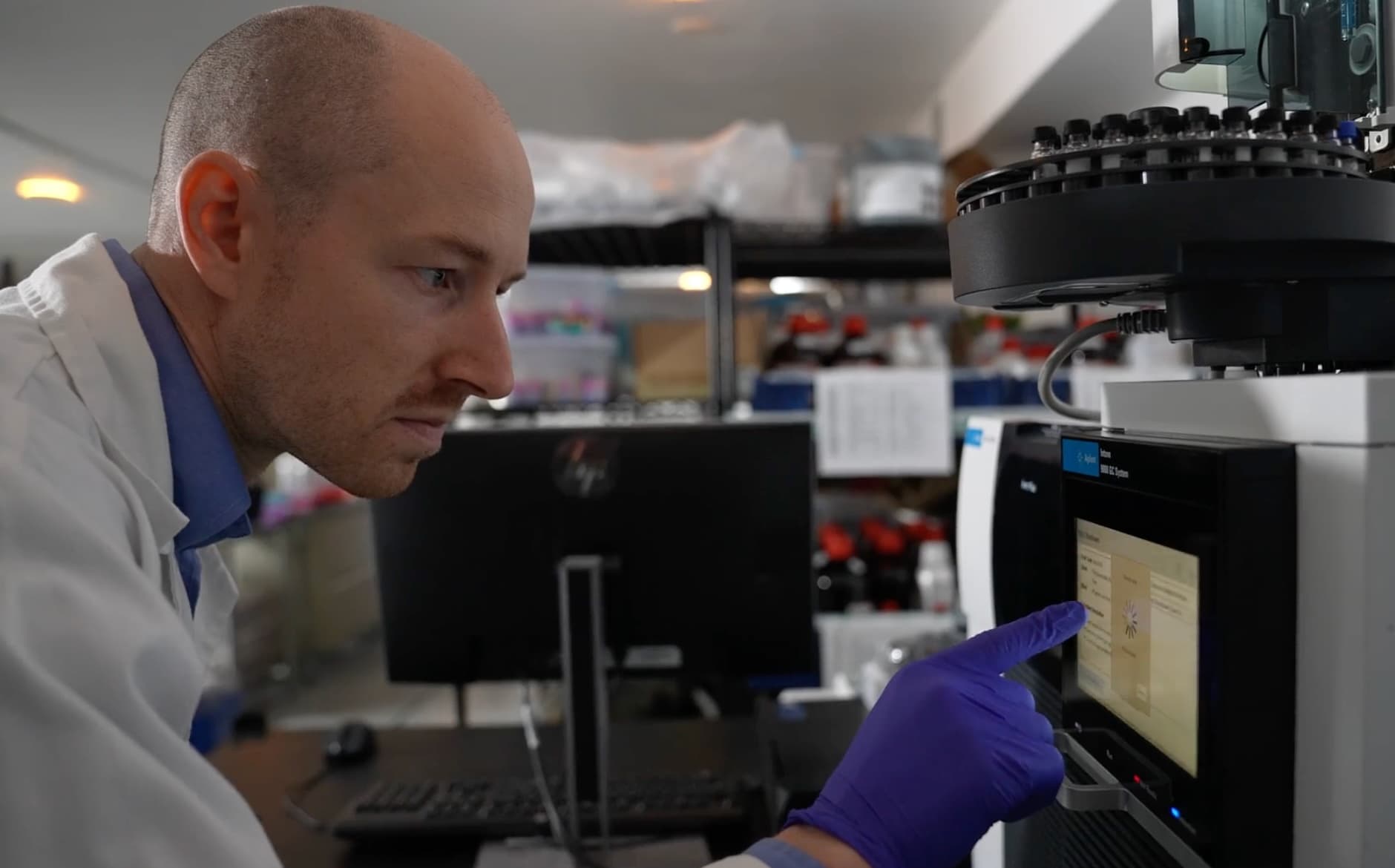
At its core, flavor science explores the chemistry behind taste and aroma, helping us craft profiles that feel “true” and “delicious.”
It goes beyond sweetness or saltiness, examining how molecules such as terpenes, esters, and aldehydes interact to shape perception.
Flavor specialists use this understanding to manipulate compounds safely and consistently, creating flavors that are both delightful and memorable. This balance of art and chemistry transforms simple products into rich, sensory experiences that consumers trust and enjoy.
Innovating Flavors with Terpenes: A New Take on Nature
In the past decade, few advancements have been as transformative as the use of terpenes in flavor innovation.
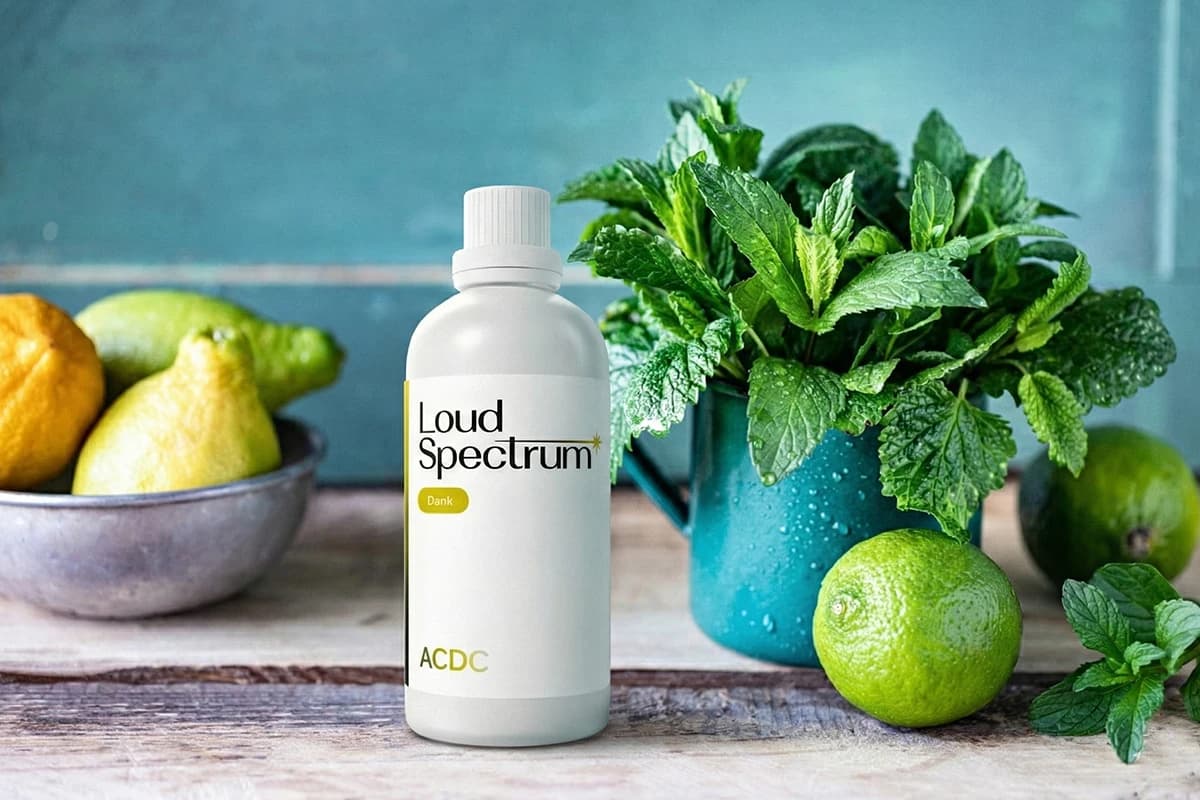
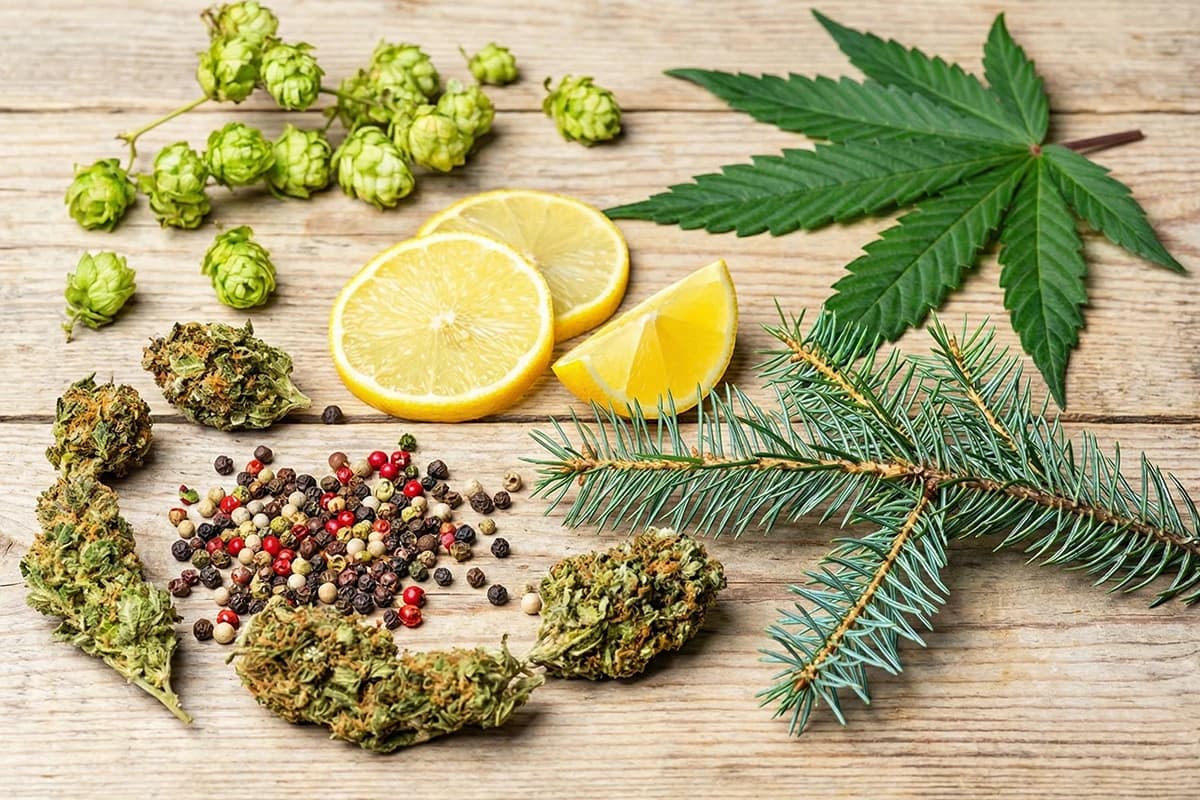
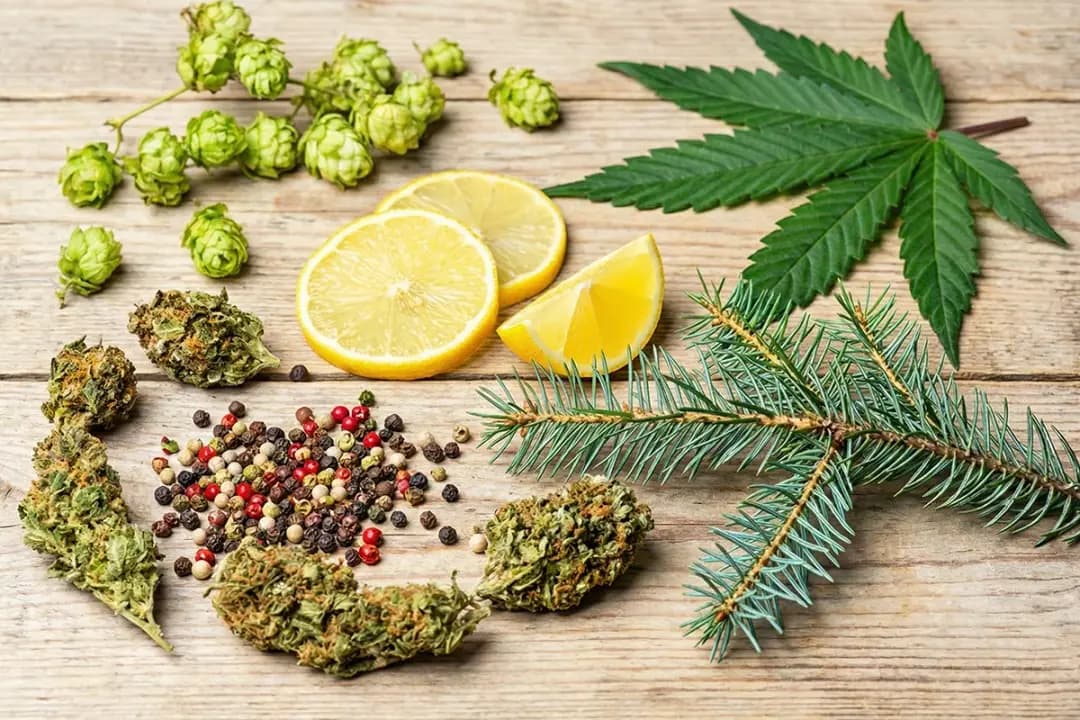
These naturally occurring compounds found in plants contribute both aroma and taste — think of citrus zest or fresh herbs.
Modern extraction and synthesis techniques allow flavor experts to isolate and combine these molecules with precision, producing layered, sophisticated flavors that feel both new and familiar.
Terpenes add dimension to fruit blends and enhance depth in classic profiles, giving brands endless creative possibilities.
Taste Authenticity and True-to-Plant Terpenes
Consumers today value authenticity and natural origin. This demand has fueled the rise of true-to-plant terpenes, which replicate a plant’s natural chemical structure more accurately than traditional approximations.
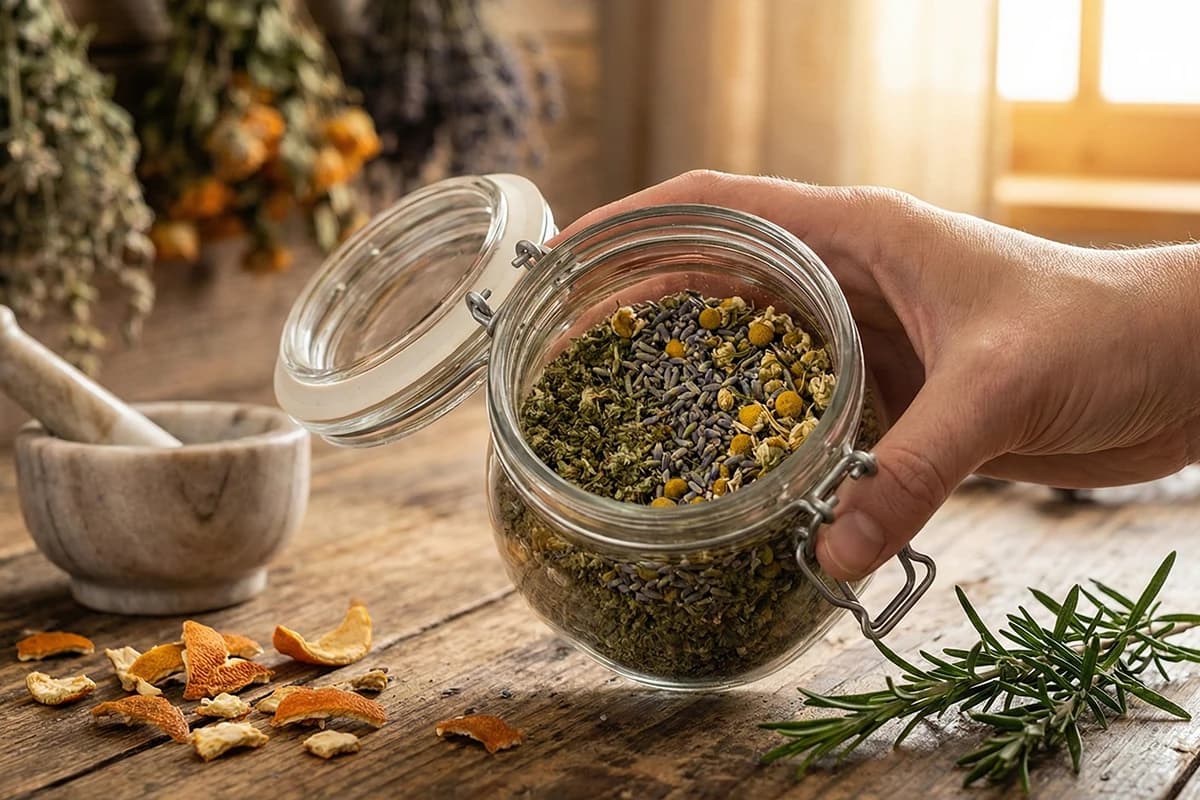
A beverage formulated with true-to-plant terpenes might deliver the brightness of freshly squeezed citrus or the soft floral aroma of lavender fields.
Such precision leads to flavors that feel real, trustworthy, and emotionally satisfying, deepening consumer confidence and loyalty.
Innovative Leaders in the Last Decade
The past ten years have redefined how brands approach flavor creation. Key innovations include:
- Natural and Clean-Label Formulations – Shifting from artificial additives to transparent, plant-based compounds.
- Terpene Isolation and Recombination – Advanced methods of extracting and blending terpenes for complex results.
- AI-Driven Flavor Design – Using artificial intelligence to predict consumer-preferred flavor combinations.
- Personalized Flavor Experiences – Tailoring sensory profiles to specific consumer groups for deeper engagement.
These developments have not only advanced technology but also elevated the consumer flavor journey — making every taste richer, more layered, and emotionally resonant.
Designing a Premium Flavor Experience
What makes a flavor feel premium? It’s not just taste — it’s balance, depth, and story.
A premium flavor evolves from the first sip to the lingering finish, engaging the senses throughout.
Flavor scientists achieve this by precisely calibrating ratios of terpenes and complementary notes, crafting multi-dimensional experiences that leave a lasting impression.
For consumers, these flavors are more than indulgences — they’re emotional connections.
The Consumer Connection: Flavor and Emotion
Why do some flavors linger in memory while others fade?
The secret lies in emotion. Flavor and memory are deeply linked — a familiar spice blend might bring back family traditions, while tropical notes may spark nostalgia for travel.
Through flavor science, brands can create emotionally engaging taste experiences that go beyond satisfaction — forming personal, memorable bonds with their audiences.
The Future of Flavor Development
Looking forward, the next decade promises even greater innovation in flavor design.
Sustainability will remain a priority, with efforts to reduce waste and optimize natural sourcing. Personalization will advance, offering consumers flavors tailored to their preferences.
At the heart of this evolution will remain true-to-plant terpenes and continued research in flavor chemistry, ensuring that taste remains an experience — one that inspires, delights, and evolves over time.
Conclusion: Where Science Connects with Emotion
Flavor creation that endures is not built on chemistry alone — it thrives on emotion and experience.
Through the science of flavor and the artistry of terpene innovation, brands can create tastes that exceed expectation and evoke connection.
The last decade has proven that when science, creativity, and consumer insight unite, remarkable things happen.
The flavors of the future will continue to inspire emotion, authenticity, and joy — one experience at a time.