Flower Derived Terpenes
Flower Derived Terpenes
Fresh flower only. Extracted within one hour of harvest. Engineered to preserve fragile aroma compounds and the true-to-strain terpene profile present at harvest.
< 1 hour
Harvest and extraction
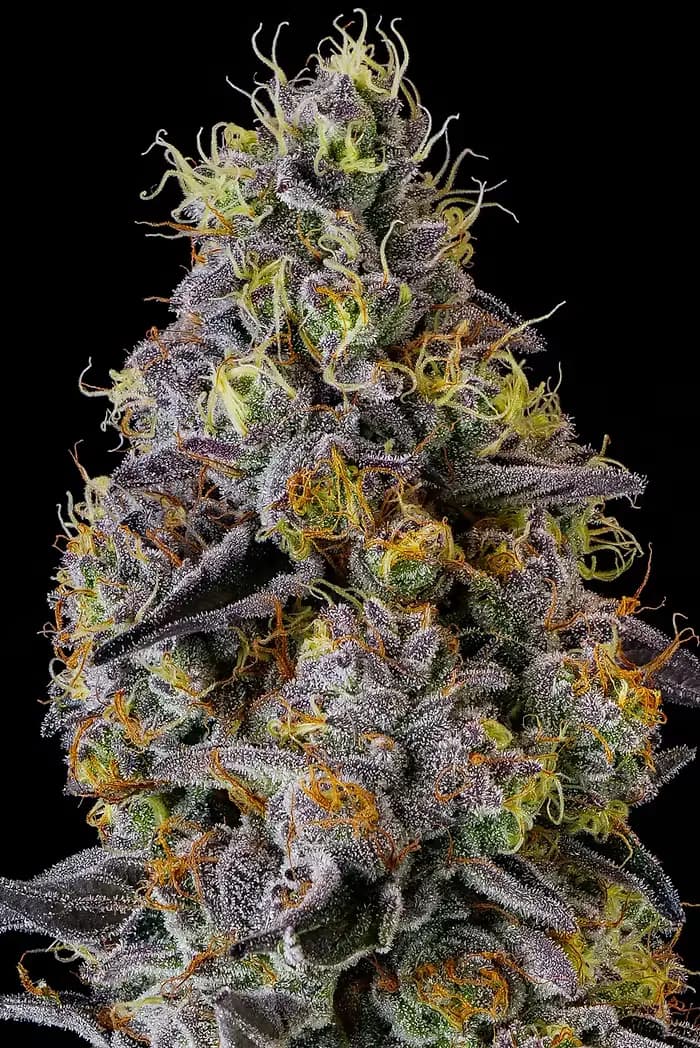
What are Flower Derived Terpenes?
Flower Derived Terpenes, or FDT, separates flower from stem and leaf, then moves directly into extraction using proprietary equipment. The objective is to use the best possible inputs (flower) to preserve the aromatic complexity concentrated in the flower before oxidation, evaporation and enzymatic activity alter it.
- Harvest-to-extraction window
- < 1 hr
- Fresh cannabis flower input
- 100%
- Stem + leaf in FDT standard
- 0
- FDT category introduced
- 2022
The 1 Hour Flower Standard
Terpenes begin to change as soon as cannabis flower is harvested. Exposure to air, evaporation and natural enzymatic activity can alter its aroma. The longer flower waits before extraction, the more its final scent may differ from the living plant.
The degradation window
0 min
Harvest
Peak terpene content. The clock starts.
< 1 hr
FDT window
Flower separated. Extraction begins before major degradation sets in.
Hours
Degradation builds
Oxidation + evaporation continue altering fragile aroma compounds.
Days+
Profile drift
Longer storage creates more opportunity for off-notes to develop.
Four conditions.One uncompromised profile.
Fresh flower only.
No whole-plant biomass. FDT begins with the part of the plant where aromatic complexity is concentrated.
No stem. No leaf.
Non-flower material is removed before extraction, reducing unwanted aromatic contribution.
Inside one hour.
A deliberately short processing window minimizes aroma loss and degradation after harvest.
Purpose built.
Custom equipment is engineered around low degradation and the capture of fragile, volatile compound.
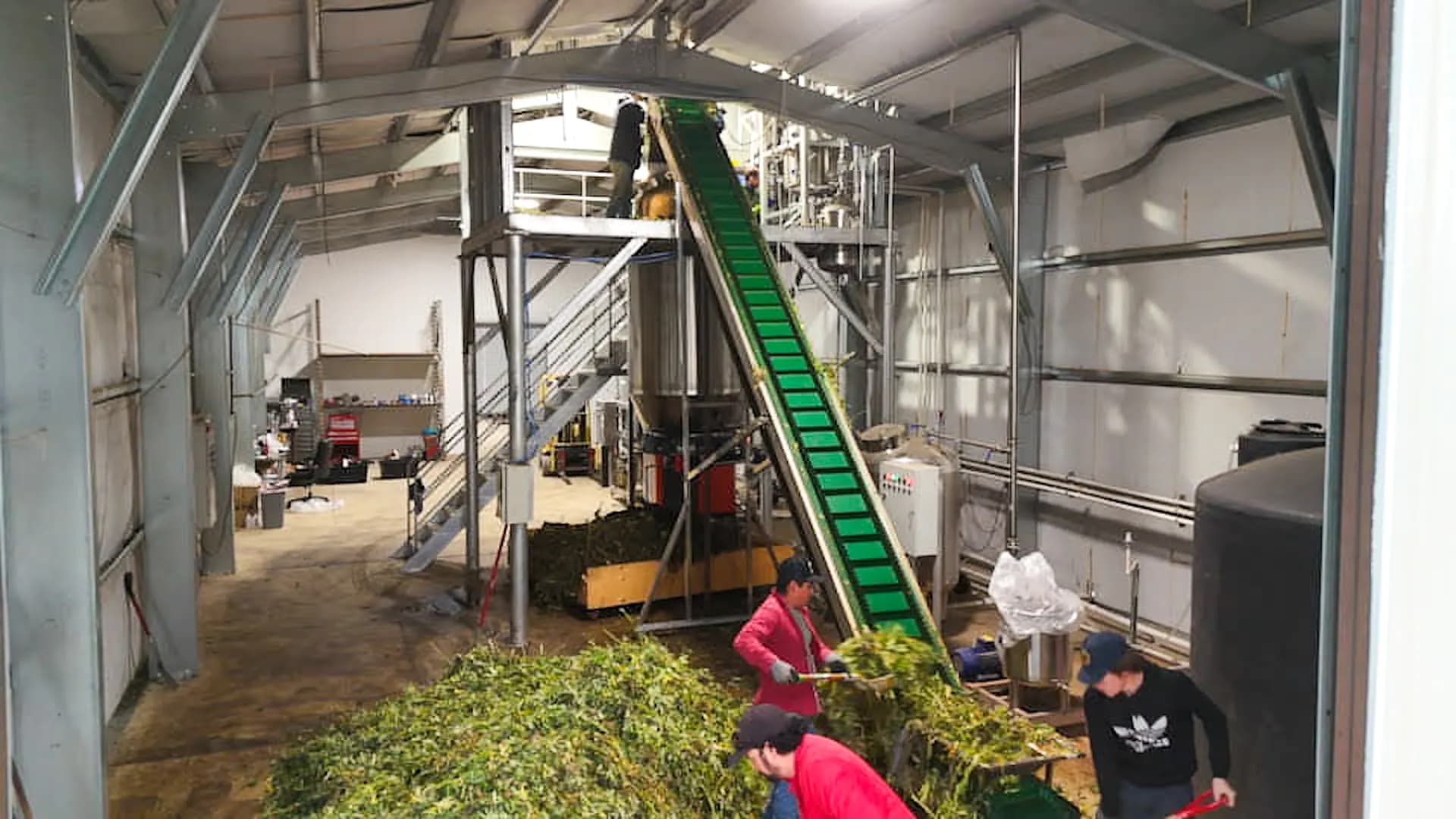
Testing & verification
Every batch of terpenes tested & verified.
Every batch of terpenes undergoes testing and verification for quality and consistency.
No heavy metals
Screened for heavy metals
No solvents
Screened for residual solvents
No pesticides
Screened for pesticides
Not all terpenes begin in the same way.
| Attribute | FDT | Traditional CDT | BDT | HTE |
|---|---|---|---|---|
| Source material | Fresh flower only | Whole plant Material | Non-cannabis botanical | Whole plant material |
| Harvest to extraction | Within one hour | Hours to months | Not applicable | Hours to months |
| Leaf/stem off-note risk | None from Input | Higher Potential | Not applicable | Higher Potential |
| Aroma Preservation | Designed for fidelity | Variable | Formulated profile | Variable |
| Capturing more aroma compounds | Full spectrum goal | Partial | Formulated | Partial |
| Post-processing | Minimal | Often required | Blended to spec | Minimal |
FDT
Our Standard- Source material
- Fresh flower only
- Harvest to extraction
- Within one hour
- Leaf/stem off-note risk
- None from Input
- Aroma Preservation
- Designed for fidelity
- Capturing more aroma compounds
- Full spectrum goal
- Post-processing
- Minimal
Traditional CDT
- Source material
- Whole plant Material
- Harvest to extraction
- Hours to months
- Leaf/stem off-note risk
- Higher Potential
- Aroma Preservation
- Variable
- Capturing more aroma compounds
- Partial
- Post-processing
- Often required
BDT
- Source material
- Non-cannabis botanical
- Harvest to extraction
- Not applicable
- Leaf/stem off-note risk
- Not applicable
- Aroma Preservation
- Formulated profile
- Capturing more aroma compounds
- Formulated
- Post-processing
- Blended to spec
HTE
- Source material
- Whole plant material
- Harvest to extraction
- Hours to months
- Leaf/stem off-note risk
- Higher Potential
- Aroma Preservation
- Variable
- Capturing more aroma compounds
- Partial
- Post-processing
- Minimal
Extraction designed around aroma.
Cannabis flower contains the plant’s most distinctive aromas. Traditional cannabis-derived terpenes often come from the whole plant, including flowers, leaves and stems. While easier to scale, added plant material can dilute the flower’s natural aroma and introduce unwanted scents.
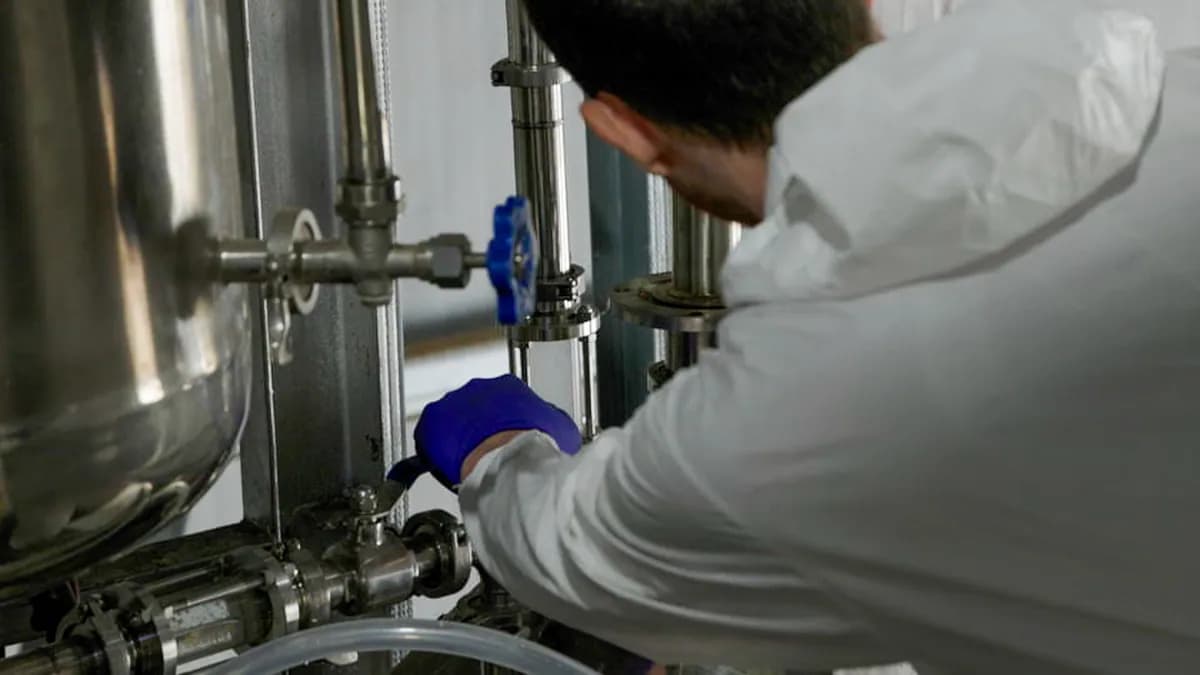
What the system must protect
- Fragile + volatile aroma compounds
- Minor + trace terpenes
- True-to-strain profile at harvest
What the process minimizes
- Thermal + mechanical stress
- Delay after harvest
- Additional handling + post-processing
FDT isolates the aromatic signal before extraction.
Flower only
- Concentrated aromatic complexity
- No stem or leaf in the extraction input
- Intended to preserve a cleaner, true-to-strain profile
Whole-plant biomass
- Flower + leaf + stem processed together
- More scalable from a yield and logistics standpoint
- Can dilute the flower profile and introduce unwanted aromatics
A New Standard for Cannabis Derived Terpenes
Meeting a “ower only, inside one hour” standard at a commercial scale is not simply a sourcing problem. We describe it as an engineering problem. O-the-shelf equipment was not designed around this logistics window, so we built a custom extraction system intended to minimize thermal and mechanical stress on volatile aromas.
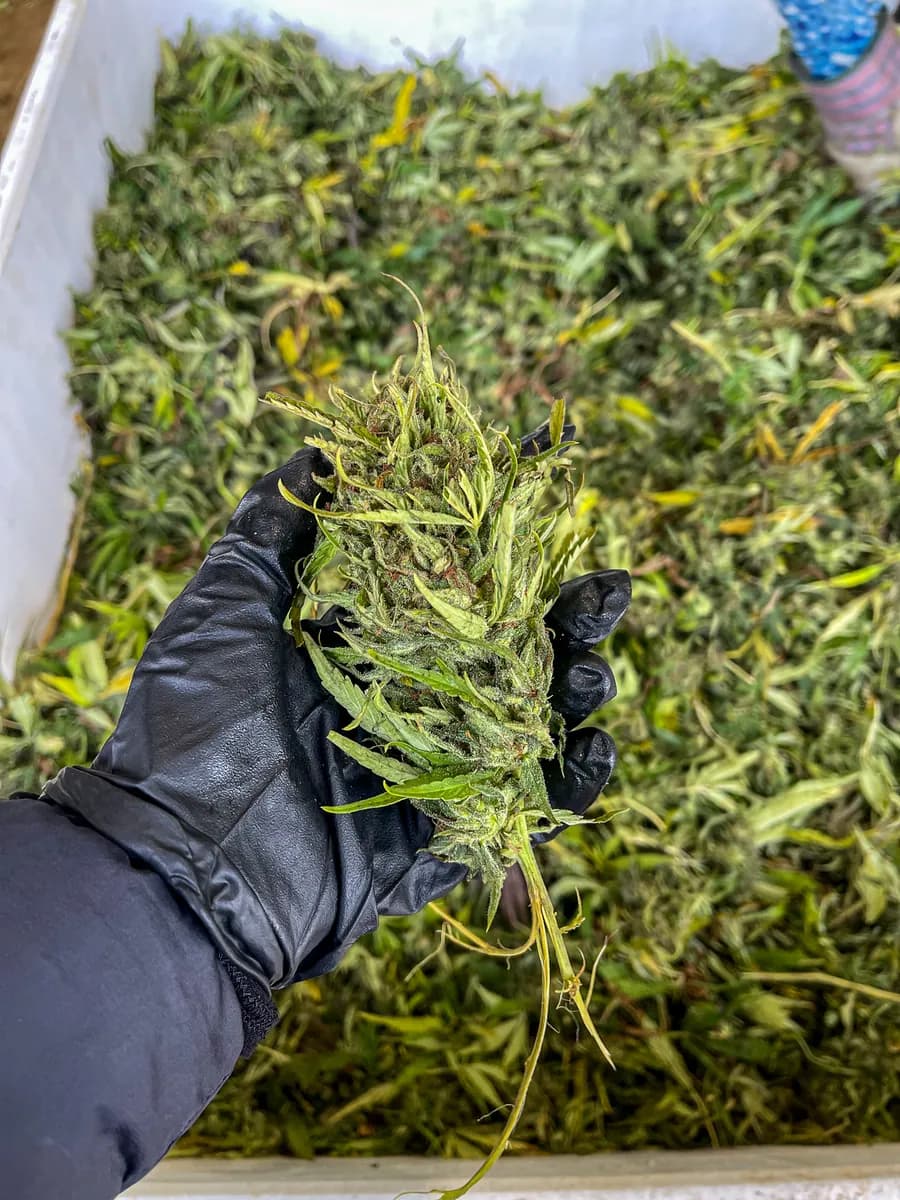
Four engineering obstacles the FDT process had to solve.
01 / Input
Only fresh flower.
The equipment has to accept freshly separated flower rather than relying on conventional whole-plant biomass.
02 / Logistics
Inside one hour.
Harvest, separation and extraction have to operate as one coordinated system rather than disconnected steps.
03 / Stress
Handle it gently.
Thermal and mechanical stress can compromise fragile volatile compounds, so the extraction system is designed around them.
04 / Capture
Keep the trace compounds.
The goal is full-spectrum capture, including the high-impact minor and trace compounds that shape the finished aroma.
The difference shows up in the profile.
We compared traditional CDT samples against FDT using GC-MS and olfactory GC-MS. In those comparisons, decomposed byproducts and off-notes associated with traditional CDT were identified as hay-like or rancid aromas, while the corresponding peaks and sensory notes were reported as absent from FDT.
Olfactory GC-MS / conceptual readout
The difference is in the details.
FDT vs. traditional CDT vs. HTE
One flower derived terpene and two cannabis-derived formats. Different inputs, timelines and processing requirements.
FDT
Flower Derived Terpenes
- Fresh cannabis flower only
- Extracted within one hour
- Full-spectrum minor + trace capture
- Minimal post-processing
Traditional
Traditional CDT
- Often whole-plant biomass
- Processing may be delayed
- Variable aroma fidelity
- Post-processing often required
HTE
High Terpene Extract
- Typically dried whole-plant input
- Butane extraction (per white paper)
- Contains cannabinoids
- Purging and consistency concerns
Go deeper: the FDT white paper
Read the extraction methodology, GC-MS comparisons, and full category breakdown.
By Robin Christiansen / Flower Derived Terpenes (FDT) Defined
A new standard within the terpene space
Loud Spectrum defined, not adopted
We introduced Flower Derived Terpenes in 2022 under the Alive Line. FDT is a new, specialized standard inside the broader CDT market: flower only, processed within one hour, and produced on customized equipment designed around aroma preservation. Loud Spectrum remains its sole manufacturer.