How to Dilute Terpenes: 5 Steps for Beginners
One thing to note about terpenes is that they are highly concentrated and extremely potent in their pure form. Hence, it’s important to dilute them first before consuming them, since direct usage could potentially cause adverse health effects like allergies.
Read on to learn how to dilute terpenes the right way to ensure safety while maximizing their therapeutic benefits.
5 Steps to Properly Dilute Terpenes
1. Choose your terpene
Terpenes come in different types. However, with the variety of choices available in the market, choosing the right one can be difficult. For starters, the rule of thumb is to pick the terpene type that provides the therapeutic effects and health benefits you need.
For example, caryophyllene and myrcene’s anti-inflammatory properties are ideal for relieving pain. Meanwhile, if you’re looking for a mood booster, humulene and limonene are your best bets.
Be sure to thoroughly research the terpenes that address your needs. Generally, you’d want to avoid strains that cause allergic reactions in your body and negatively impact your health as a whole.
2. Select a carrier oil
After picking the terpene of your choice, the next step is to select a carrier oil.
One important tip for terpene use you should always remember is to dilute potent compounds using a diluent such as a carrier oil. Some of the most commonly used carrier oils include MCT oil, coconut oil, olive oil, jojoba oil, and Natural Fiber oil.
Since terpenes have a sticky consistency, adding carrier oil can help them dissolve more easily. It also ensures the terpene is evenly distributed throughout the solution. Moreover, it facilitates easier absorption of the mixture by the body when ingested.
3. Calculate the dilution ratio
When diluting terpene products, it’s essential to understand the proper dilution ratio between carrier oils and terpenes. The ratio may differ depending on the terpene type, the terpene’s viscosity, and the terpene’s boiling point.
Generally, the overarching rule is to never put more than 10% of the terpene into the mixture. But to be safe, it’s best to use only 1% to 5% of the terpene product based on your carrier oil’s total volume. For example, a mixture with 100mL of carrier oil should only contain 1 – 5 mL of your chosen terpene.
4. Prepare the materials
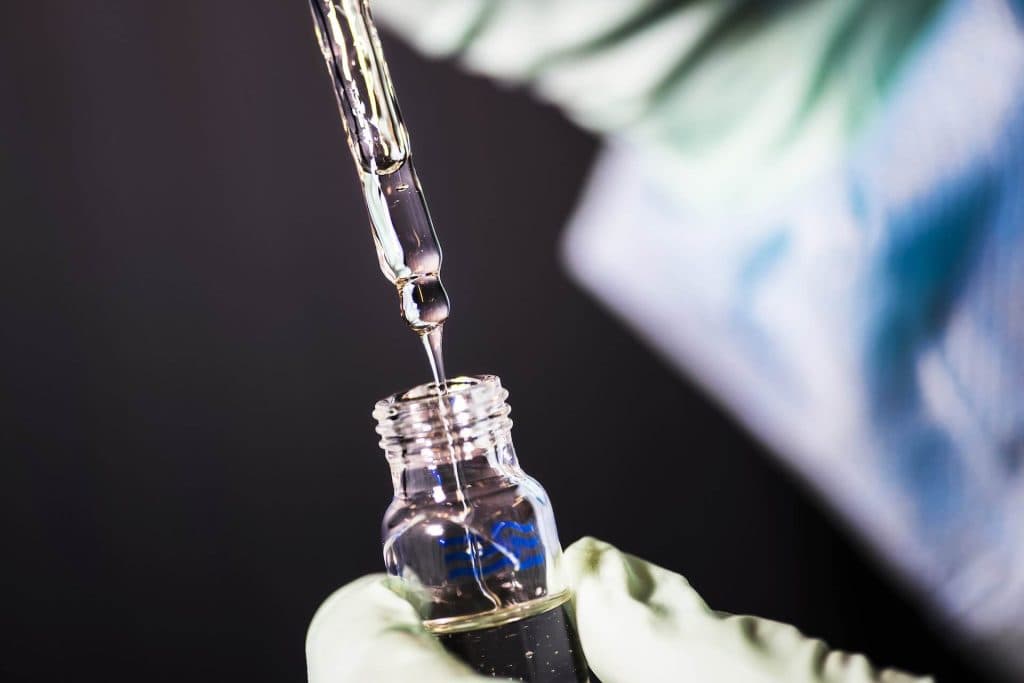
You can’t just rely on guesswork when measuring your mixture components. Hence, you’ll need to have the proper tools when diluting your terpenes. These include the following:
- protective glasses
- gloves
- glass containers for mixing and storage
- stirring rod
- pipette for measuring the liquids
*Make sure that these materials are sterilized before using them to avoid any potential contamination.
5. Mix the terpene and the carrier oil
With everything settled, it’s time to dilute your terpene with your chosen carrier oil. It’s recommended to do a test first by mixing a small amount of the terpene and the carrier oil. You don’t want to waste an unnecessary amount of terpene and carrier oil if the mixture doesn’t come out well.
When mixing the terpene and the carrier oil, make sure that they blend properly by using only a small amount of heat. If the mixture results in a dark shade, heat the solution until it emulsifies. Then, cool it down to room temperature before consuming it.
5 Common Uses of Diluted Terpenes
Studies have shown that terpenes provide many benefits. For instance, these compounds have been found to exhibit soothing effects. They are also used as flavoring agents and are widely utilized in the perfume industry for their rich aroma.
Here are some of the common uses of terpenes in their diluted form.
1. Aromatherapy
Aromatherapy dates back to the Egyptian, Chinese, and Indian civilizations. Research conducted over the decades supports the idea that this therapy is a natural way of healing a person’s “mind, body, and soul.” Various studies have particularly shown that aromatherapy could treat certain physical complications and mental conditions.
The essential oils used in aromatherapy are rich in terpenes
nes. Ginger, for example, contains a high amount of camphene, a terpene known for its anti-inflammatory properties. Also, basil and rosemary are abundant in beta-caryophyllene, a terpene found to relieve pain, reduce inflammation, and relieve anxiety.
2. Topical use
The antibacterial and detoxifying properties of terpenes make them ideal for topical applications. In their diluted form, these compounds are used as major ingredients in the production of lotions, sunscreens, moisturizers, lipsticks, and cleansers.
One study has shown that limonene in massage oils exhibited anti-cancer benefits when used on breast cancer patients.
3. Flavoring agents in recipes
Aside from giving plants their recognizable scents, terpenes also provide the distinct flavors of various plants. As such, cooking with terpenes can boost the flavor of your dish. Just remember to check the boiling point of the terpene type you’re using to come up with a properly cooked, delicious meal using terpenes.
4. Flavoring agents in drinks
Terpene is also great for enhancing the flavors of drinks. The monoterpene geraniol, for example, can extend the shelf life of beverages while enhancing their flavor.
Terpenes can be added to cocktails, beverages, sodas, and even syrups. Some people prefer blending multiple terpenes together for their beverages for an enhanced flavor and aroma.
5. Used to boost the flavor of tinctures and isolates
Mixing terpenes with other substances like tinctures and isolates can boost their flavor and improve their effects. Terpenes also help the body absorb the tincture or isolate more effectively. Just be sure to understand the right mixing ratios and compatibility of these compounds for safe ingestion.
Using Terpenes the Right Way
When used in their pure form, terpenes can potentially cause allergic reactions. Hence, diluting them is essential to ensure your safety while getting the most out of your terpene use.